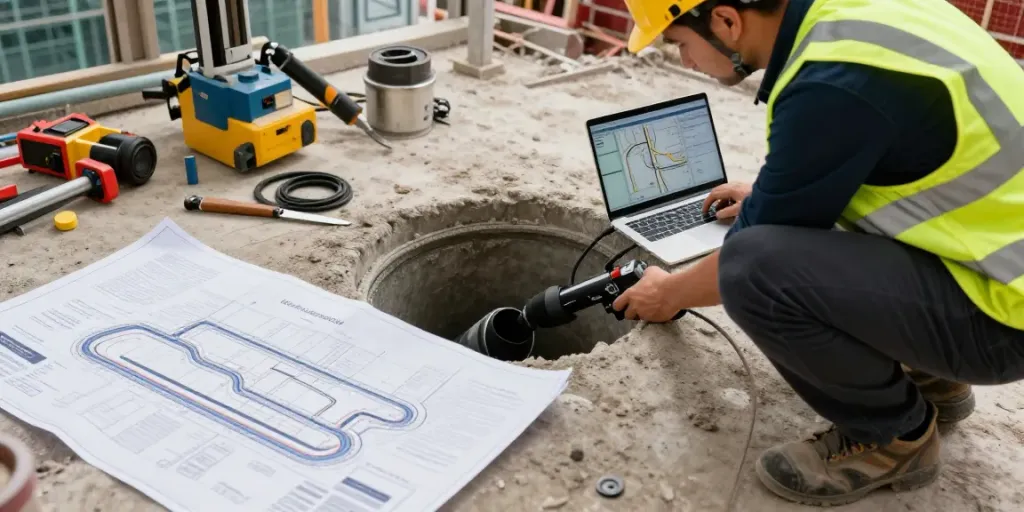
Understanding the Role of Drainage Surveyors in Surrey
Drainage surveyors are crucial to maintaining the integrity and functionality of drainage systems that underpin our urban infrastructure. In areas like Surrey and London, where drainage systems can be complex and aged, professional drainage surveyors play a vital role in preventing potential blockages and failures. By employing rigorous inspection techniques such as CCTV surveys, these experts can identify underlying issues that, if left unchecked, could lead to significant flooding or property damage. When exploring options, Drainage Surveyors Surrey provides comprehensive insights into managing and maintaining your drainage systems effectively.
What Do Drainage Surveyors Do?
Drainage surveyors are specialists who assess, inspect, and report on the condition of drainage systems. Their work often encompasses a variety of tasks, including:
- Conducting CCTV drain surveys: Using high-resolution cameras, surveyors can inspect the interior of pipes and identify blockages, structural damage, or other issues without requiring excavation.
- Creating detailed reports: After inspections, surveyors compile comprehensive reports that include findings and recommendations, often supported by CAD drawings of the drainage layout.
- Providing maintenance advice: Based on their findings, drainage surveyors recommend maintenance practices and repairs to prolong the lifespan of the drainage systems.
Key Technologies Used in Drainage Surveys
Advancements in technology have significantly enhanced the efficiency and accuracy of drainage surveys. Some of the key technologies employed by drainage surveyors include:
- CCTV Inspection Cameras: These cameras provide real-time video footage of the inside of drainage pipes, making it easy to identify issues without invasive procedures.
- Ground Penetrating Radar (GPR): GPR is used to detect buried utilities and assess their condition, which is particularly useful for mapping complex drainage networks.
- WinCan Software: This software is widely used to generate detailed drainage reports, offering insights into the condition and functionality of the drainage system.
The Importance of Accurate Drainage Mapping
Accurate drainage mapping is essential for effective management of drainage systems. It helps in identifying the location and depth of pipes, understanding flow directions, and determining potential problem areas. Proper mapping can:
- Help with planning during construction projects, preventing damage to existing drainage systems.
- Assist local authorities in maintaining public drainage systems, reducing the risk of flooding.
- Facilitate the installation of new drainage solutions that complement existing infrastructure.
Common Mistakes to Avoid when Hiring Drainage Surveyors
Choosing the right drainage surveyor can be daunting. However, avoiding common pitfalls can lead to a more successful partnership:
Choosing the Wrong Company for Your Drainage Survey
When selecting a drainage surveyor, it's crucial to consider their experience and expertise. Opting for a company without accreditation or a poor track record can lead to subpar results and unresolved drainage issues
Ignoring the Need for Comprehensive Reports
Always ensure the surveyor provides a detailed report that includes the findings of the survey and recommendations for maintenance or repairs. A lack of thorough documentation can lead to misunderstandings later.
Neglecting Follow-Up Maintenance Recommendations
After receiving the drainage report, it’s essential to act on the recommendations provided. Neglecting these suggestions can result in recurring issues that could have been easily resolved.
Best Practices for Effective Drainage Surveys
Following best practices can enhance the efficiency and effectiveness of drainage surveys:
Using Advanced Technology for Accurate Results
Adopting the latest technologies, such as CCTV systems and GPR, allows surveyors to obtain more accurate data, making it easier to identify and address potential issues promptly.
Ensuring Compliance with Local Regulations
Drainage surveyors should be well-versed in local regulations and compliance requirements, ensuring that their work adheres to standards set by authorities.
Training and Certification for Surveyors
Hiring certified and well-trained surveyors guarantees that you will receive expert service and accurate assessments of your drainage systems. Regular training keeps surveyors up-to-date with the latest techniques and technologies.
The Benefits of Regular CCTV Drainage Surveys
Regular drainage surveys provide numerous benefits, particularly in preventing costly repairs and maintaining system efficiency:
Preventing Costly Repairs with Early Detection
Early identification of issues such as blockages or structural damage can save property owners significant amounts of money in repairs and maintenance. Regular surveys help to mitigate these risks.
Improving Property Value through Proper Maintenance
A well-maintained drainage system can increase the value of a property, making it more appealing to potential buyers or tenants.
Enhancing Safety and Compliance in Construction Projects
For construction projects, effective drainage management is vital to ensure safety and compliance with local regulations, thereby avoiding legal issues down the line.
Future Trends in Drainage Surveying in Surrey
The drainage surveying industry is continually evolving, with new technologies and methods emerging:
Emerging Technologies in Drain Inspection
New technologies, such as drones and advanced imaging systems, are poised to revolutionize drainage inspections, allowing for quicker and more efficient assessments.
The Impact of AI on Drainage Survey Processes
Artificial intelligence is beginning to play a role in data analysis during drainage surveys, leading to more accurate predictions and recommendations.
Sustainable Practices in Drainage Management
The shift toward sustainability is influencing drainage management practices, leading to more environmentally friendly materials and methods being adopted in the industry.
What is a Drainage Survey?
A drainage survey involves inspecting and assessing a drainage system's condition to identify any issues that may require attention. This process can include CCTV inspections, mapping, and reporting.
How Much Should a Drainage Survey Cost?
The cost of a drainage survey can vary based on several factors, including the complexity of the drainage system and the geographical location. It’s always advisable to obtain multiple quotes from reputable surveyors.
Are Drainage Surveys Necessary for Home Buyers?
Yes, home buyers should consider obtaining a drainage survey to identify any existing issues that could lead to costly repairs in the future.
How Long Does a Drainage Survey Take?
The duration of a drainage survey depends on the size and complexity of the system. Typically, a survey can take from a few hours to a full day.
What Technologies Are Used in Drainage Surveys?
Common technologies used in drainage surveys include CCTV cameras, sonar systems, and GPR techniques, which enable surveyors to obtain detailed assessments of underground drainage networks.